
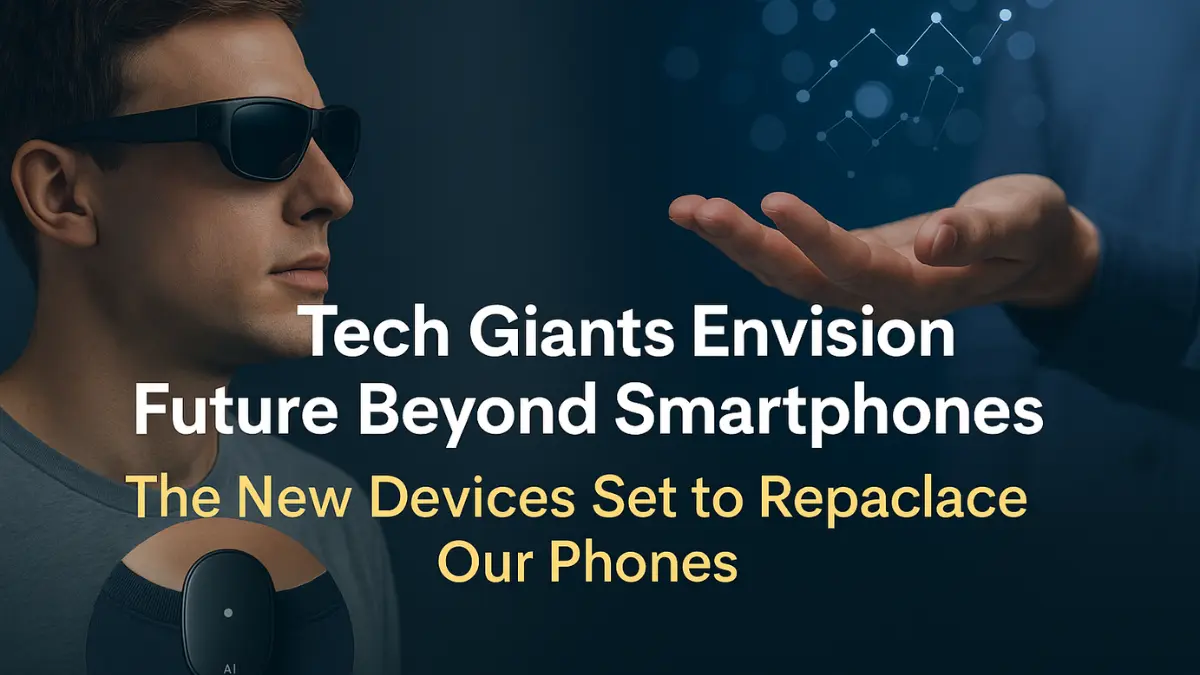
For more than a decade, smartphones have ruled our daily lives. But now, tech giants envision a future beyond smartphones, exploring smartphone alternatives like wearable technology and artificial intelligence devices. Big companies are investing heavily in these innovations to shape the future of technology and create smarter ways for people to interact with digital tools.
Why Tech Giants Are Moving Beyond Smartphones
Smartphones have reached a point where major improvements are becoming harder to achieve. Every year, new phones look similar, with only small upgrades in cameras, batteries, or speed.
Here are some key reasons why tech companies are thinking ahead:
- Smartphone markets are becoming saturated
- Innovation is slowing down
- Users want more immersive experiences
- Technology like AI and AR needs new hardware
Because of this, the future of technology is shifting toward smarter and more natural devices.
Artificial Intelligence Leading the Change
Artificial Intelligence (AI) is one of the biggest reasons tech giants envision a future beyond smartphones. AI allows devices to understand voice, behavior, and even emotions.
Instead of tapping on screens, future devices may work like this:
- You speak, and the device responds instantly
- AI predicts what you need before you ask
- Personal assistants become smarter and more human-like
AI-powered devices could remove the need to constantly look at a screen, making technology more comfortable and less addictive.
Wearable Technology: The Next Big Thing
Wearable devices are already popular, such as smartwatches and fitness bands. But tech giants are working on much more advanced wearables.
Smart Glasses and AR Devices
Companies like Meta and Apple are developing smart glasses that use Augmented Reality (AR). These glasses could:
- Show messages in front of your eyes
- Give directions while walking
- Display real-time information
This means you won’t need to pull out a phone again and again.
Brain-Computer Interfaces
Some companies are even researching ways to connect technology directly to the human brain. While this sounds futuristic, early testing has already begun.
Smart Homes and Voice Technology
Another reason smartphones may lose importance is the rise of smart homes. Devices like:
- Smart speakers
- Smart TVs
- Smart lights
- Smart security systems
These can already be controlled using voice commands. In the future, your home itself may become your main digital device.
You may say:
“Turn off the lights”
“Order groceries”
“Start my work meeting”
All without touching a phone.
Health Technology Beyond Phones
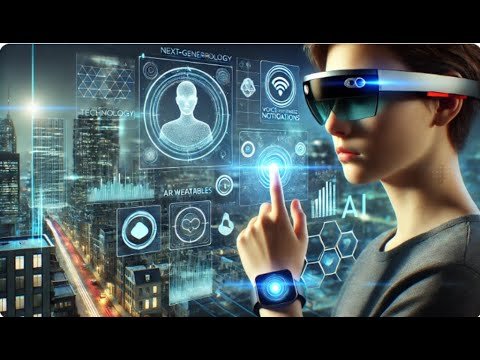
Health-focused technology is another major area where smartphone alternatives are emerging.
Future devices may:
- Monitor heart health 24/7
- Detect diseases early
- Track mental health through behavior patterns
Wearables can collect health data more accurately than smartphones because they stay on the body all the time.
Will Smartphones Completely Disappear?
The simple answer is: Not anytime soon.
Smartphones will still exist, but their role may change. Instead of being the main device, they might act as a backup or control center for other smart technologies.
Just like laptops did not fully disappear after smartphones arrived, phones may slowly become less important but not totally useless.
Challenges in a Smartphone-Free Future
While the idea sounds exciting, there are some challenges:
- Privacy and data security
- High cost of new technology
- Learning curve for users
- Dependence on AI systems
Tech giants must solve these problems before people fully accept new devices.
What This Means for Normal Users
For middle-class users, the future may bring:
- More convenient technology
- Less screen addiction
- Better health monitoring
- Faster and smarter digital experiences
However, affordability will play a major role. Tech companies must make sure these innovations are not only for rich people.
Conclusion
Tech giants envision a future beyond smartphones because technology is evolving faster than ever. AI, wearable devices, smart homes, and AR technology are pushing us toward a world where screens are no longer the center of everything.
While smartphones won’t disappear overnight, their dominance is slowly fading. The future of technology is about comfort, intelligence, and natural interaction — and that future is closer than we think.





No comment