
Introduction
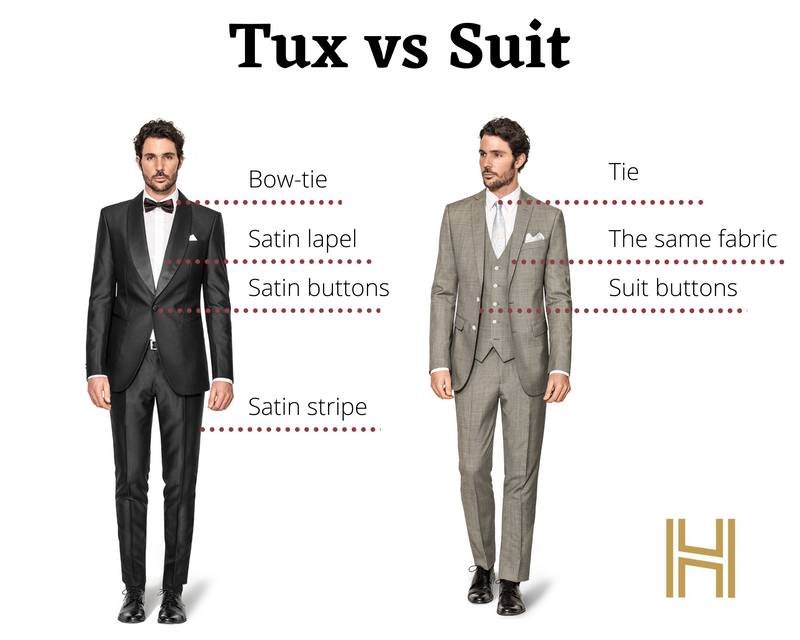
When it comes to formal dressing, many people often confuse a dinner suit vs business suit with a business suit. Both are classic wardrobe staples, but they serve very different purposes. Understanding their differences can help you dress appropriately for the right occasion, whether it’s a formal dinner, a wedding, or an important office meeting.
Purpose and Occasion
A dinner suit, often called a tuxedo, is primarily worn for formal evening events. Think weddings, black-tie events, gala dinners, and award ceremonies. Its main goal is elegance and sophistication.
On the other hand, a business suit is designed for professional settings like the office, business meetings, conferences, or casual corporate events. It focuses on professional appearance and versatility rather than formal elegance.
Tip: If the event mentions “black-tie” or “formal evening,” a dinner suit is the right choice. For work or daytime meetings, go for a business suit.
Fabric and Material
Dinner Suit:
Usually made from high-quality wool, satin, or a blend that gives a slight shine.
The lapels are often satin or grosgrain.
Jackets and trousers are designed to look more elegant under evening lighting.
Business Suit:
Typically made from wool, cotton, or synthetic blends.
No satin or shiny finishes; it looks professional and understated.
Comfort and durability for everyday wear are important.
Jacket Style and Design
Dinner Suit:
Features shawl or peaked lapels with satin detailing.
Often has a single-button closure.
Can come with a waistcoat or cummerbund for added formality.
Business Suit:
Usually has notched lapels, which are more versatile for office wear.
Two or three buttons are common.
Jackets are designed to match with a variety of shirts and ties.
Shirt and Tie Differences
Dinner Suit:
Traditionally paired with a white dress shirt with a pleated or plain front.
A black bow tie is most common, but a formal necktie may work in some modern variations.
Business Suit:
Worn with a collared shirt in various colors.
A regular necktie is standard, though some offices allow open collars.
Trousers and Accessories
Dinner Suit:
Trousers often have a satin stripe down the side.
Accessories like cufflinks, pocket squares, and dress shoes are essential.
Business Suit:
Trousers are simple with a matching jacket.
Shoes can vary from formal oxfords to brogues, depending on office culture.
Accessories are optional but include belts, watches, and ties.
Color and Style Options
Dinner Suit:
Classic colors: black, midnight blue, or white for tropical events.
Style is timeless and elegant; patterns are minimal.
Business Suit:
Colors are more flexible: grey, navy, charcoal, or black.
Patterns like checks or pinstripes are acceptable.
More modern business suits offer slim-fit and casual options.
Comfort and Fit Considerations
A dinner suit focuses on appearance and elegance, so it’s usually worn for shorter periods. Comfort is secondary but still important.
A business suit needs to be comfortable for long hours at work, including sitting, walking, and occasional commuting. Fit should balance style with practicality.
Conclusion: Which One Should You Choose?
In short, the choice between a dinner suit and a business suit depends on the occasion:
Dinner Suit: Choose for formal evenings, weddings, black-tie events, and elegant dinners.
Business Suit: Choose for office wear, meetings, or any professional environment.
Understanding these differences ensures that you always dress appropriately and confidently. Both suits are essential wardrobe items, but using them correctly shows your sense of style and attention to detail.





No comment